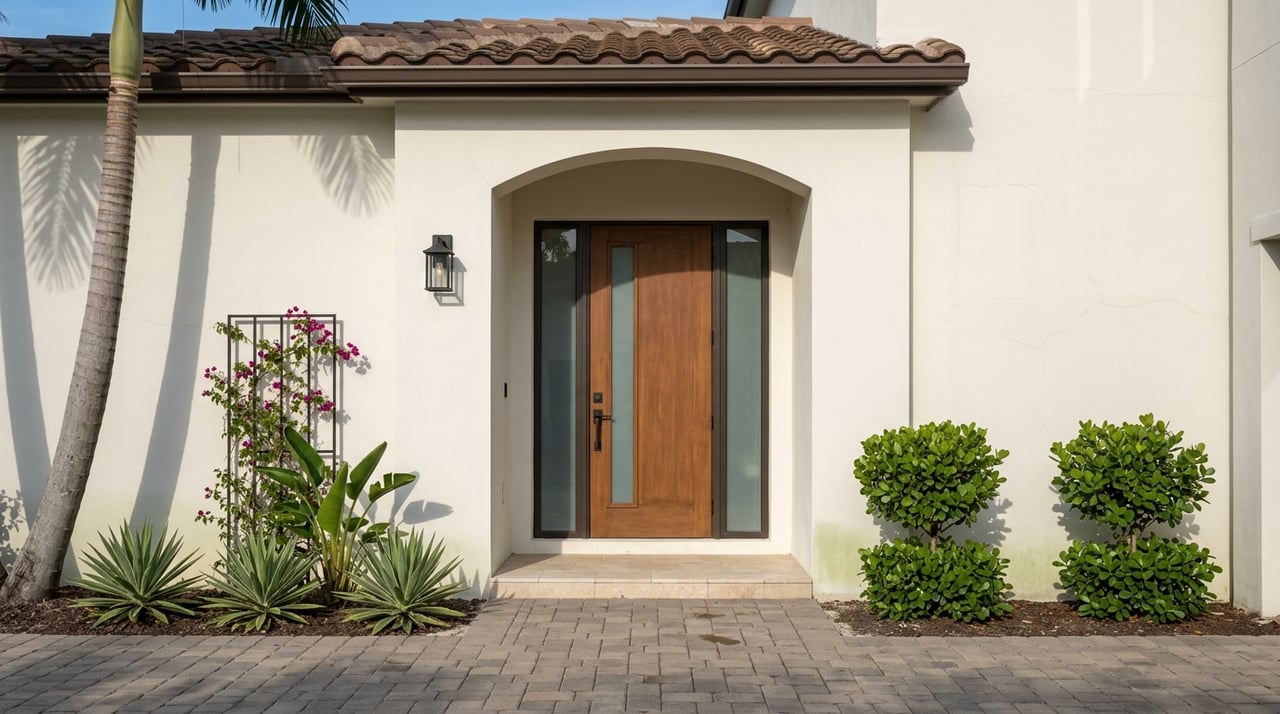
Choosing between a condo, townhome, or house in Palm Beach County is about more than square footage. You are also choosing how much upkeep you want, how much association oversight you are comfortable with, and how predictable your monthly costs may be. If you are trying to decide which option fits your budget and lifestyle, this guide will help you compare the tradeoffs clearly. Let’s dive in.
Why this choice matters in Palm Beach County
In Palm Beach County, the right fit often comes down to your day-to-day priorities. Some buyers want low-maintenance living and shared amenities, while others want more privacy, flexibility, and control over the property.
Florida ownership structures can also work very differently depending on the property. Condominium communities are generally governed by Chapter 718, while HOA communities are generally governed by Chapter 720, and that difference can affect maintenance, disclosures, fees, and resale. That is why it helps to look past the label and study the actual rules for the home you are considering.
Condo ownership in Palm Beach County
A condo usually gives you ownership of your individual unit along with shared ownership of common elements. In Florida, the condo association is generally responsible for maintaining the common elements unless the governing documents assign certain limited common-element upkeep to owners.
For many buyers, that means less hands-on exterior maintenance. Condo dues often help fund shared maintenance, insurance, amenities, and reserves, which can make the lifestyle feel simpler even if the monthly dues are higher.
When a condo may fit you best
A condo may be a strong match if you want a lower-maintenance home and you like having more services bundled into one community structure. This can appeal to buyers who travel often, want less exterior upkeep, or prefer access to shared amenities.
In many condo communities, dues may support features such as pools, elevators, security, shared parking, landscaping, and sometimes utilities. That convenience can be appealing, but it also means your monthly budget should include more than just your mortgage payment.
What to watch with condos
Condo communities often require more document review during resale. Florida condo buyers are entitled to important association documents, including the declaration, bylaws, budget, annual financial statement, FAQ document, and in some cases milestone inspection summaries and structural integrity reserve study information.
That review matters because lender approval can be affected by the condition and financial health of the community. If an association has deferred maintenance, financial instability, structural debt, pending lawsuits, or incomplete required inspections, financing and resale may become more difficult.
Townhome ownership in Palm Beach County
A townhome can look like a middle-ground option, but the legal setup is not always the same from one community to another. In Florida, a townhome may be governed by an HOA under Chapter 720 or by condo documents under Chapter 718.
That difference matters because it affects who maintains the roof, exterior, common areas, and other shared features. Before you assume a townhome offers a certain maintenance setup, you should verify the governing documents for the exact property.
Why buyers often like townhomes
Townhomes often appeal to buyers who want more house-like space than a condo but still want some shared maintenance and community structure. You may get multiple levels, attached living, and access to some amenities without taking on every maintenance task yourself.
For many Palm Beach County buyers, that balance feels practical. You may enjoy more privacy and space than a typical condo while still keeping some responsibilities off your plate compared with a detached house.
What to clarify before you buy a townhome
Because townhomes can fall under different legal frameworks, the maintenance split is one of the most important things to confirm. You will want to know who is responsible for the roof, exterior walls, insurance obligations, landscaping, and repairs to shared features.
You should also review dues, budget history, and any record of special assessments. A townhome may feel straightforward at first glance, but the governing documents tell you what ownership will really look like month to month.
House ownership in Palm Beach County
A detached single-family house usually gives you the most privacy, control, and flexibility. If you want more room to customize the property and fewer shared walls, a house may feel like the most natural fit.
That said, a house also tends to place more maintenance responsibility on you unless it sits inside an HOA community. If the property is part of a planned community, you may still owe dues and follow community rules, architectural standards, and use restrictions.
When a house may fit you best
A house may work well if you value independence and do not mind taking a more active role in upkeep. This can be especially appealing if you want yard space, more separation from neighbors, or more control over improvements.
For buyers who like the idea of customizing over time, a house often gives the most flexibility. Just remember that more control usually comes with more direct responsibility for repairs and maintenance.
What to budget for with a house
Compared with condos and some townhomes, a detached house often comes with fewer built-in amenities. Unless the home is inside a larger planned community, you may be handling landscaping, exterior maintenance, roof planning, and other upkeep more directly.
That can make monthly costs feel lower at first if dues are limited, but long-term maintenance may be less predictable. This is one reason it helps to compare the full ownership cost, not just the purchase price.
Compare fees, dues, and special assessments
No matter which property type you choose, it is smart to look closely at recurring costs. Association dues are usually paid directly to the condo association or HOA, not through your mortgage servicer.
Those dues can vary widely, from a few hundred dollars a month to more than one thousand dollars a month. The amount often depends on the location, age, condition, property value, and amenity package in the community.
Why dues do not tell the whole story
A lower-priced condo with higher dues is not always more expensive than a house with lower dues. The condo dues may cover expenses that you would otherwise pay separately, such as some maintenance, insurance components, or amenities.
On the other hand, lower dues do not always mean lower risk. Florida law allows both condo and HOA associations to levy assessments and special assessments, and unpaid assessments can become liens.
Questions to ask about community costs
Before you buy, ask for a clear picture of the community’s financial setup. A few good questions include:
- What do the monthly dues cover?
- Has the association imposed any recent special assessments?
- Are there reserves for future repairs?
- Who is responsible for the roof, exterior, and common areas?
- Are there any known large projects coming up?
Resale and financing can differ by property type
Resale and financing are not always equal across condos, townhomes, and houses. In Palm Beach County, that difference is often most noticeable with condos because lenders may review condo communities more closely.
For condos, financing can depend on the physical condition of the community, its financial stability, whether required inspections have been completed, and whether there are issues such as structural debt or pending lawsuits. That does not mean condos are the wrong choice, but it does mean due diligence matters.
Florida condo disclosures are more detailed
For contracts entered into after December 31, 2024, Florida condo sale documents must disclose whether required inspections or reserve studies have or have not been completed. A contract that does not comply may be voidable.
Florida’s post-Surfside inspection framework is also especially relevant to condominiums and cooperatives. According to the Florida Department of Business and Professional Regulation, residential condo and co-op owners are responsible for milestone inspections and structural integrity reserve studies, while many lower-rise single-family properties are exempt from the milestone inspection requirement.
HOA and townhome resale is often simpler
HOA-governed homes and townhomes are usually simpler than condos from a document standpoint, but they still come with disclosure rules. Florida’s HOA statute requires a disclosure summary before the contract is signed and explains that buyers may owe assessments, special assessments, and certain common-facility fees.
You should still request the governing documents, current budget, and history of special assessments. Simpler does not mean risk-free, and the details can affect both affordability and resale.
Palm Beach County taxes and homestead matter too
When you compare a condo, townhome, or house, taxes can shift the math more than many buyers expect. Palm Beach County’s Property Appraiser says that if the property is your permanent residence, it may qualify for homestead exemption.
The county also uses January 1 as the key date for assessed value and exemption status for that tax year. That means a seller’s homestead savings do not automatically transfer to you when you buy.
Portability can change your monthly cost
If you are moving from one Florida homestead to another, portability may help reduce your tax burden on the new property. Palm Beach County states that homeowners may transfer up to $500,000 of Save Our Homes benefit, depending on the value of the prior and new homestead and the filing requirements.
That can make a real difference when comparing monthly carrying costs across property types. A property that looks more expensive on paper may feel different once taxes, exemptions, and portability are factored in.
How to decide what fits your lifestyle
If you want the simplest day-to-day maintenance, a condo may be the best fit. If you want more space and a balance of shared and personal responsibility, a townhome may be the better choice. If you want the most privacy and control, a house may suit you best.
In Palm Beach County, the smartest move is to compare the exact property, not just the category. Two townhomes can have very different maintenance rules, and two condos can have very different financial health.
A simple decision checklist
Use this checklist to narrow your choice:
- Choose a condo if: you want low exterior maintenance, shared amenities, and you are comfortable with dues and association oversight.
- Choose a townhome if: you want more living space with some shared maintenance, but you still want to verify exactly who handles what.
- Choose a house if: you want more privacy, more control, and you are prepared to manage more maintenance yourself.
The best choice is the one that matches your budget, your comfort with community rules, and the amount of upkeep you want in your life. If you take time to review dues, documents, inspections, and tax implications, you will be in a much stronger position to buy with confidence.
If you want help comparing specific properties in Palm Beach County, JULI-ANN HINES brings a practical, hands-on perspective that can help you look beyond the photos and understand the real cost, condition, and fit of a home.
FAQs
What is the difference between a condo and a townhome in Palm Beach County?
- A condo usually means you own your unit and share ownership of common elements, while a townhome is a housing style that may be governed by either condo documents or HOA rules, so maintenance responsibilities can differ by community.
Are HOA or condo dues included in your mortgage payment in Palm Beach County?
- Usually no. Association dues are generally paid directly to the HOA or condo association, not through your mortgage servicer.
Can a condo in Palm Beach County be harder to finance than a house?
- Yes. Condo financing may depend on the community’s condition, financial stability, inspections, and other association-related factors that lenders review.
Do Palm Beach County condo buyers get association documents before closing?
- Yes. Florida law gives condo buyers access to key documents such as the declaration, bylaws, budget, annual financial statement, FAQ document, and certain inspection or reserve study information when applicable.
Do Palm Beach County buyers need to apply for homestead exemption after buying?
- Yes. If the property will be your permanent residence, you need to file for homestead exemption, and any prior owner’s homestead savings do not automatically transfer to you.
What should you compare besides the sale price in Palm Beach County?
- You should compare the full monthly cost, including mortgage, property taxes, insurance, association dues, and the likely maintenance responsibilities tied to the specific property.