Thinking about a move to Palm Beach County? It can be an exciting step, but this is also a large, varied market where your day-to-day experience can change a lot from one area to the next. If you want to relocate with fewer surprises, this guide will help you focus on the practical details that matter most before you buy. Let’s dive in.
Why Palm Beach County Feels So Different
Palm Beach County is a large coastal county with about 1,582,055 residents in 2024 and 730,211 housing units. The area has a high owner-occupied housing share, and the housing stock includes everything from detached single-family homes to attached residences and multifamily buildings.
That variety is important if you are relocating from out of state or from another part of Florida. Palm Beach County is not a one-style market. Your best fit may depend less on the city name and more on your commute, the housing type you want, and how you want your daily routine to feel.
Start With Your Daily Routine
Before you compare neighborhoods, think about how you will live Monday through Friday. Palm Beach County is still heavily car-oriented, with 72.9% of workers driving alone and 9.9% carpooling. The mean commute time is 26.5 minutes.
That means your route often matters as much as the home itself. If you will commute regularly, it helps to start with the corridor that fits your life best, such as I-95, the Florida Turnpike, or access to a rail station.
Know Your Transit Options
Even though most people drive, Palm Beach County does have a multi-modal network. The area includes Palm Tran, Tri-Rail, Brightline, and local circulators.
Palm Tran serves Palm Beach County, Tri-Rail runs from Mangonia Park to the Miami Intermodal Center, and Brightline serves Boca Raton, West Palm Beach, and other South and Central Florida stops. If you expect to use transit even part of the time, it is smart to compare station or stop access early in your search.
Test the Commute in Real Life
A map can only tell you so much. A route that looks quick online may feel very different during weekday rush hour, especially near major corridors, downtown areas, or beach access points.
If you are relocating, try one peak-time drive and one off-peak drive before you narrow your list. This simple step can save you from choosing a home that looks convenient on paper but feels less convenient in real life.
Plan for Heat, Rain, and Storm Season
Palm Beach County’s climate shapes everyday life in ways newcomers sometimes underestimate. NOAA climate normals for the Palm Beach Gardens station show an annual mean temperature of 74.4°F, with January averaging 64.5°F and August averaging 82.4°F. The area records 66.0 inches of annual precipitation, with summer as the wettest season and 55.3 days per year at or above 90°F.
In plain terms, that means heat, humidity, and afternoon rain are part of the rhythm here. When you visit homes, pay close attention to air conditioning performance, drainage, and how outdoor spaces feel in the warmer months.
Hurricane Season Matters
The National Weather Service says Atlantic hurricane season runs from June 1 to November 30. Palm Beach County’s Office of Emergency Management also notes that coastal areas are susceptible to storm-surge flooding, with the northern and southern coasts somewhat more vulnerable than central sections.
For relocation planning, this is not about alarm. It is about being informed so you can ask better questions early in the process.
Check Flood Zones and Evacuation Zones Separately
One of the most practical relocation tips for Palm Beach County is to treat flood zones and evacuation zones as two separate items. The county specifically tells residents to review them separately and provides lookup tools for both.
If a property interests you, check each status before you get too far along. It can also help you better understand insurance, preparedness, and how a location may affect your planning during storm season.
Match Your Home Search to the Housing Mix
Palm Beach County offers a broader housing mix than many buyers expect. County planning data show that 45.4% of housing units are detached single-family homes, 11.3% are attached single-family homes, and 18.8% are in buildings with 20 or more units.
That mix gives you options, but it also means you should define your priorities early. If you want more space and a yard, your search may look very different from someone prioritizing lower-maintenance living or a lock-and-leave setup.
Detached, Attached, and Multifamily Options
Detached single-family homes remain the largest housing type in the county. At the same time, attached homes and multifamily buildings make up a meaningful share of the market.
For you, the key is to decide what fits your lifestyle first. Think about maintenance, storage, parking, guest space, and whether you want a property that feels more suburban, more compact, or more tied to a mixed-use area.
Historic Character Varies by City
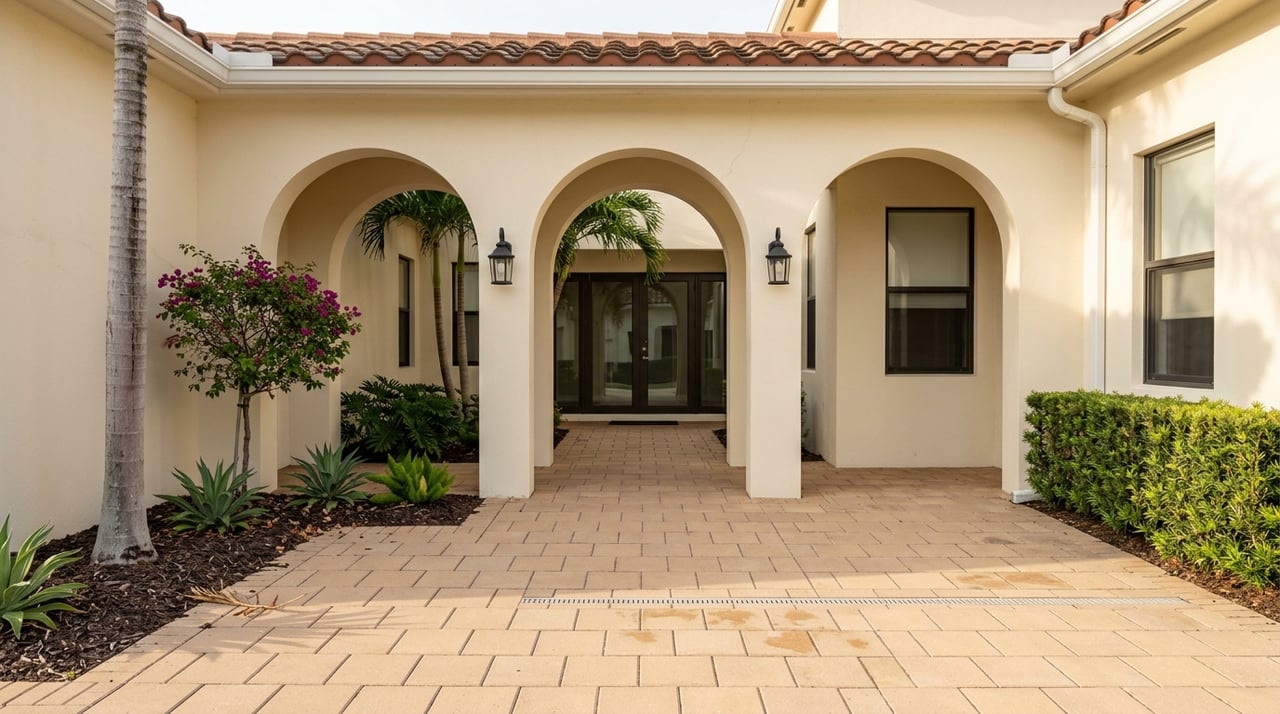
Architectural character can also shift by location. Boca Raton notes its well-known Mediterranean Revival influence, while West Palm Beach has 18 locally designated historic districts and 46 individually designated historic sites.
If you are drawn to older homes or historic areas, it is wise to learn about local design rules before making plans for updates. In West Palm Beach, exterior work in historic districts is reviewed through design guidelines and a Certificate of Appropriateness process.
Understand Employment and Activity Hubs
If your move is tied to work, it helps to know where major employment patterns cluster. Palm Beach County’s largest industry groups include education, health care, and social assistance at 20.7%, followed by professional, business, administrative, and waste services at 16.0%, retail trade at 11.9%, arts, entertainment, accommodation, and food services at 11.2%, construction at 8.4%, and finance, insurance, real estate, rental, and leasing at 8.0%.
In the broader metro area, large employment categories also include trade, transportation, and utilities, leisure and hospitality, financial activities, and government. For many movers, these patterns help explain why some corridors feel busier and why certain submarkets attract different daily traffic patterns.
Key Nodes to Know
Local economic development materials point to office and industrial nodes in downtown West Palm Beach, downtown Boca Raton, Palm Beach Gardens, Jupiter, and logistics areas tied to major highways and airports. If you work in one of those areas, centering your search around that activity hub can make your move more practical.
This approach can also help you avoid overgeneralizing by city. Two neighborhoods in the same city can offer very different drive times depending on how they connect to your most-used corridor.
Do Not Overlook Beach Access Logistics
Palm Beach County Parks says Ocean Rescue lifeguards protect swimmers at fourteen oceanfront and inlet parks from Tequesta to Boca Raton. That helps highlight how broad the county’s coastline access really is.
It also points to a practical lifestyle issue. Beach access, parking, and weekend traffic can shape how an area feels, even if a home is only a short distance from the coast.
If being near the water is high on your list, visit at different times. A beach-close location may feel peaceful one day and much busier another, especially during weekends or seasonal peaks.
Use a Simple Research Plan First
A successful relocation usually starts with a short list, not a giant one. The more clearly you define your filters, the faster you can focus on homes that truly fit.
For most buyers relocating to Palm Beach County, the strongest first-pass filters are:
- Commute corridor
- Flood exposure
- Housing type
Use PAPA to Screen Properties
The Palm Beach County Property Appraiser’s PAPA system is one of the best starting points for remote research. The office says you can search by owner name, property address, or parcel number.
Its GIS includes more than 100 data points per parcel, including zoning, sale date, square footage, and property tax information. The PAPA home page also links school attendance zones, municipal permit departments, tax tools, and sales searches.
Review Older Homes Carefully
If you are considering an older property, practical condition matters just as much as curb appeal. In Palm Beach County’s climate, roof condition, drainage, and air conditioning performance deserve early attention.
That is one reason a hands-on, detail-focused home search can make such a difference. Looking closely at these basics can help you avoid expensive surprises after closing and identify homes that are more move-in ready from the start.
Visit in Summer If You Can
If your schedule allows, try to experience the area beyond peak season. A neighborhood can feel very different on a summer afternoon than it does on a mild winter morning.
Because of the county’s heat, rainfall, and traffic patterns, one practical visit strategy is to schedule both a commute-time drive and a mid-afternoon visit. That gives you a clearer sense of how the area lives day to day.
A Smart Palm Beach County Relocation Checklist
If you want a simple place to start, use this checklist:
- Identify your main commute corridor
- Decide which housing type fits your lifestyle
- Check flood zone and evacuation zone status separately
- Compare beach access, parking, and seasonal traffic if coastal living matters to you
- Review roof, drainage, and air conditioning performance carefully
- Use the PAPA system to review parcel details, tax data, and property history
- If considering historic areas, review local exterior-change rules early
- Test drives at peak and off-peak times before making a final decision
Final Thoughts on Relocating Well
Relocating to Palm Beach County gets easier when you focus on practical fit instead of trying to learn every city all at once. Start with how you live, where you need to go, and what kind of home will feel manageable and comfortable in this climate.
If you want guidance that stays grounded in real-world property details, move-in readiness, and local insight, working with a knowledgeable local partner can make the process much smoother. When you are ready to plan your move, connect with JULI-ANN HINES for thoughtful, hands-on help finding the right fit in Palm Beach County.
FAQs
What should you check first when relocating to Palm Beach County?
- Start with your commute corridor, preferred housing type, and whether a property is in a flood zone or evacuation zone.
How hot and rainy is Palm Beach County during the year?
- NOAA data for the Palm Beach Gardens station show an annual mean temperature of 74.4°F, 66.0 inches of annual precipitation, and 55.3 days per year at or above 90°F.
How do most people get around in Palm Beach County?
- Most workers drive, with 72.9% driving alone and 9.9% carpooling, while the county also offers Palm Tran, Tri-Rail, Brightline, and local circulators.
What types of homes are common in Palm Beach County?
- County planning data show a mix led by detached single-family homes, along with attached homes and multifamily buildings.
Why should you check flood zones and evacuation zones separately in Palm Beach County?
- Palm Beach County advises residents to treat flood zones and evacuation zones as separate questions because each affects preparedness in different ways.
What should you know before buying in a historic area of West Palm Beach?
- West Palm Beach reviews exterior work in historic districts under design guidelines and a Certificate of Appropriateness process, so you should review those rules before planning updates.