Choosing between waterfront and inland living in Palm Beach County can feel simple at first, until you realize how different the day-to-day experience can be from one property to the next. You may be picturing boat days, ocean views, or a lower-maintenance home with a more flexible budget, and each path comes with real tradeoffs. If you are weighing where your money, lifestyle, and long-term comfort will line up best, this guide will help you compare the two with more confidence. Let’s dive in.
Waterfront vs. inland in Palm Beach County
Palm Beach County is built around the water in more ways than many buyers first expect. County planning materials cite 44.9 miles of ocean shoreline, 268 miles of estuarine shoreline, and 47 miles of beaches, with 23 municipalities bordering either the Intracoastal Waterway or the Atlantic Ocean. That means “waterfront” here can describe a wide range of settings, not just direct oceanfront property.
In local MLS practice, waterfront can include oceanfront, Intracoastal-front, bay-front, canal-front, lagoon-front, lake-front, and river-front homes. It can also include properties with dock or beach access. Inland homes, meanwhile, may sit farther from the coast but still be part of a countywide flood environment, so this decision is about much more than whether you can see the water from your backyard.
Waterfront living: what you gain
If your ideal Florida lifestyle starts with views, boating, and easy access to the coast, waterfront living may be the better fit. The Palm Beaches tourism bureau describes 125 miles of scenic waterways and four major inlets to the Atlantic, and Palm Beach County operates fourteen guarded oceanfront and inlet parks from Tequesta to Boca Raton. In places like West Palm Beach, public docks along the Intracoastal also show how central the water is to everyday recreation.
For many buyers, the biggest draw is convenience. Instead of planning for water access, you may be living in it every day through sunrise views, dock access, beach proximity, or a stronger indoor-outdoor routine. That kind of lifestyle can be hard to replicate inland, even when inland homes are close enough for weekend use.
Waterfront searches are more property-specific
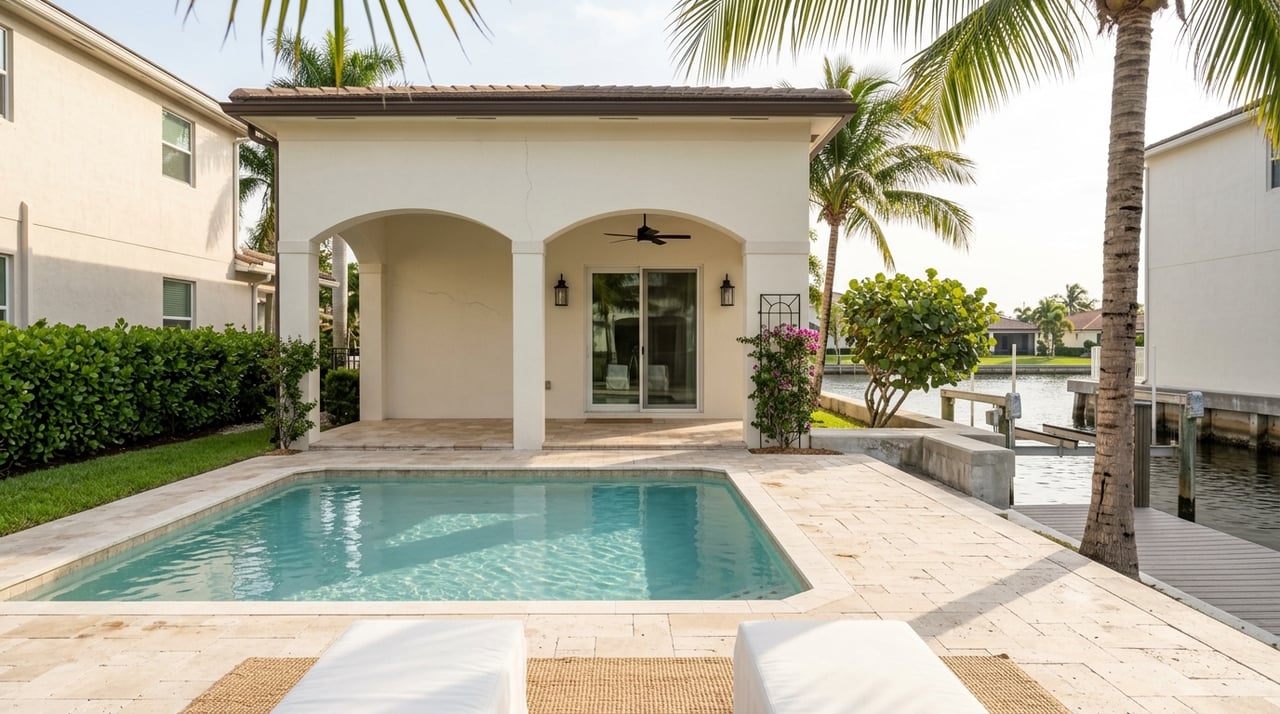
A waterfront home search usually requires more detail than a standard home search. Local MLS forms distinguish between water type, bridge access, docks, boat lifts, seawalls, and even whether construction is elevated or built on pilings. Two homes may both be called waterfront, but they can offer very different experiences and responsibilities.
For example, one property may have canal access with a private dock, while another may sit on the Intracoastal with very different shoreline conditions and price expectations. If boating is part of your plan, details like fixed-bridge or no-fixed-bridge access can matter just as much as the home itself. This is one reason a clear, property-by-property review is so important in Palm Beach County.
Inland living: why many buyers prefer it
Inland living often appeals to buyers who want more flexibility in budget, layout, and day-to-day upkeep. While you may give up direct water access and some of the visual appeal that comes with coastal property, you may gain a more conventional routine and a simpler ownership experience. For many households, that balance feels more practical.
Inland homes can also reduce direct exposure to salt spray and heavy coastal wind. UF/IFAS notes that coastal sites need extra planning because of wind, salt, and sandy soils, which affects landscaping and long-term maintenance decisions. If you want access to outdoor recreation without waterfront ownership, county amenities like Okeeheelee Park still offer water-based options west of West Palm Beach.
Inland does not always mean far from the lifestyle
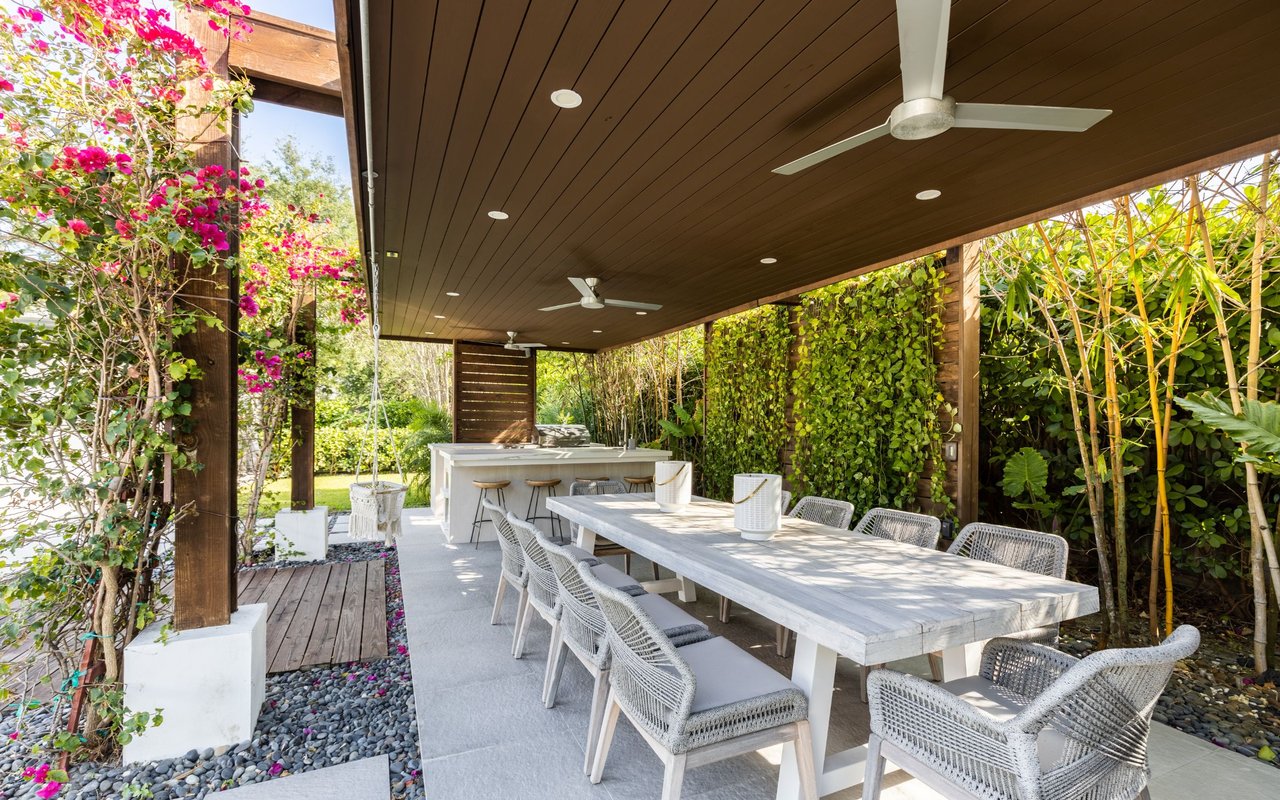
One of the biggest misconceptions in Palm Beach County is that inland living means giving up the Florida lifestyle. In reality, you may still be within reach of beaches, parks, marinas, and waterfront districts without taking on every cost that can come with owning directly on the water. That can be especially appealing if you want to enjoy the area while keeping your housing decisions more value-driven.
Commute is another factor that should be judged by exact route, not by a simple waterfront or inland label. Palm Beach County’s long-range transportation planning reflects how widely living and work patterns vary across the county. A waterfront address does not automatically mean a better or worse commute, and the same is true for inland neighborhoods.
Comparing home prices and value
Price is often where the waterfront versus inland conversation gets real. Palm Beach County’s February 2026 median sale price was $675,000 for single-family homes and $315,000 for condos. Those are countywide benchmarks, not waterfront-specific pricing, but they help show why many inland buyers find more room to shop below the county’s higher coastal price tiers.
At the same time, Palm Beach County’s waterfront market can stretch far above county medians. Late 2025 reporting highlighted Palm Beach homes listed above $100 million, with one asking $205 million. That same reporting also showed how pricing can shift dramatically based on water type and micro-location, including a Hypoluxo Island example around $2,700 per square foot versus about $6,000 per square foot for Palm Beach Intracoastal property.
Water type affects value
Not all waterfront commands the same premium. Oceanfront, Intracoastal-front, canal-front, and lakefront homes may all sit in different price categories depending on access, views, and property features. A home with a dock, lift, seawall, or favorable boating access may appeal to a very different buyer than a property with only a water view.
That is why comparing homes by address, shoreline type, and site condition matters more than broad labels. If you are trying to decide where your money goes furthest, the smarter question is not just “waterfront or inland?” It is “what kind of waterfront, and what are you really paying for?”
Flood risk and insurance matter in both
This is one of the most important realities for buyers in Palm Beach County: inland does not mean flood-risk free. County flood materials state that all county residents live in a flood zone, and county emergency management says inland flooding is driven by rainfall, flat topography, canals, and drainage limitations. So even if you move away from the coastline, flood due diligence still matters.
Palm Beach County is also direct about changing flood conditions. Updated FEMA coastal maps effective December 20, 2024 added thousands of eastern-county parcels to high-risk flood zones, and county materials note that windstorm insurance does not cover flood damage. For any buyer, this makes early insurance planning an important part of the home search.
Waterfront owners often face more upkeep
Waterfront ownership can come with additional maintenance that many inland owners do not face. Depending on the property, you may need to consider seawalls, docks, lifts, shoreline condition, salt exposure, and the impact of persistent coastal wind on landscaping and exterior materials. UF/IFAS also notes that salt-laden wind can damage tree canopies and that coastal landscaping often requires salt-tolerant plant choices.
Palm Beach County’s flood and drainage system adds another layer to consider. The county notes that drainage depends on canals, drainage districts, pumps, and retention or detention ponds, and east-coast communities receive higher rainfall than inland and western areas. In short, both waterfront and inland homes need careful review, but waterfront homes often involve more moving parts.
What to check before you buy
Before you narrow your search too far, it helps to build your checklist around the exact property instead of assumptions about the area. Palm Beach County specifically advises confirming flood-zone status with a licensed engineer, architect, or surveyor before purchase or construction. That advice applies whether you are considering a waterfront home or an inland address.
A smart buyer checklist should include:
- Confirm the exact flood zone for the property
- Ask whether an elevation certificate is available
- Get flood insurance quotes early
- Review any dock, seawall, lift, or shoreline features
- Verify whether repairs or upgrades may require permits
- Compare commute times from the exact address
- Look at site exposure to salt, wind, drainage, and standing water
The right fit depends on your priorities
Waterfront living usually makes the most sense when your priorities start with boating, views, beach access, and a highly specific lifestyle. It can be a strong fit if you are comfortable with more insurance scrutiny, more permitting questions, and more hands-on upkeep. For some buyers, those tradeoffs are worth it every single day.
Inland living often makes more sense when you want a more predictable budget, simpler maintenance, and a search focused on space, commute, or overall value. It can still deliver access to the Palm Beach County lifestyle without tying your home choice to direct shoreline ownership. Neither option is automatically better, but one may fit your goals much better than the other.
If you want help comparing specific homes, weighing maintenance realities, or finding a move-in-ready property that fits your budget and lifestyle, JULI-ANN HINES offers practical, hands-on guidance across Palm Beach County.
FAQs
What counts as waterfront property in Palm Beach County?
- In local MLS practice, waterfront can include oceanfront, Intracoastal-front, bay-front, canal-front, lagoon-front, lake-front, river-front, or properties with dock or beach access.
Is inland living in Palm Beach County free from flood risk?
- No. Palm Beach County states that all residents live in a flood zone, and inland flooding can result from rainfall, flat topography, canals, and drainage limitations.
What are the main benefits of waterfront living in Palm Beach County?
- Waterfront living can offer direct water views, boating access, beach proximity, and a stronger indoor-outdoor lifestyle tied closely to the county’s waterways and coast.
What are the main benefits of inland living in Palm Beach County?
- Inland living often offers more budget flexibility, simpler upkeep, less direct salt exposure, and easier value comparisons across a wider range of homes.
What should buyers verify before buying a waterfront or inland home in Palm Beach County?
- Buyers should confirm the exact flood zone, ask for any elevation certificate, get flood insurance quotes early, and review whether features like docks, seawalls, or major improvements may involve permits or repairs.